

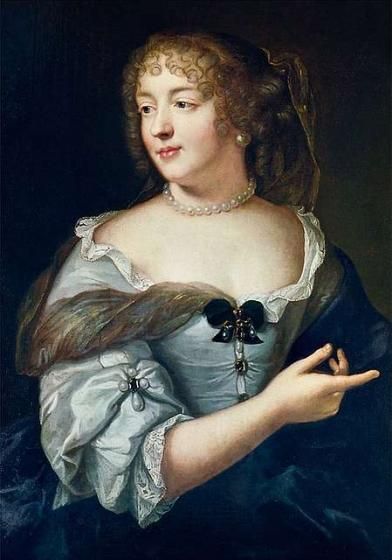
An Immersion into Paris During the Grand Siècle
Nestled in the Marais, the magnificent historic district just a few steps from our second home, hôtel FABRIC, the musée Carnavalet is hosting an exceptional exhibition dedicated to Madame de Sévigné, one of the most influential figures in 17th-century French literature. Set within the very mansion where the writer lived for nearly twenty years, this retrospective invites visitors to rediscover a brilliant woman whose life was deeply intertwined with the history of Paris.
An Exhibition in a Place Steeped in History
Experiencing this exhibition at the Musée Carnavalet also means stepping into the everyday world of Madame de Sévigné. The former residence of the celebrated letter writer, where she lived from 1677 to 1696, provides an especially immersive setting for retracing both her life and her era. Through its elegant salons and collections, the museum tells the story not only of this remarkable woman, but also of 17th-century Paris itself.
Madame de Sévigné, a Woman of the Marais
Marie de Rabutin-Chantal, the future Madame de Sévigné, was born on February 5, 1626, on what is now the Place des Vosges, then known as Place Royale. Raised in the Marais district, she benefited from an exceptional education for a woman of her time, thanks to the care and attention of her grandparents.
Married at a very young age to Henri de Sévigné, she became a widow at only twenty-five after her husband was killed in a duel. This forced independence marked the beginning of a life devoted to literature, intellectual exchange, and the most influential Parisian salons of the era.
Literary Salons and the Emergence of a Unique Voice
Among the refined literary circles led by the Marquise de Rambouillet and Mademoiselle de Scudéry, Madame de Sévigné developed a lively, elegant, and deeply personal writing style. Both spontaneous and sophisticated, her prose contributed to the evolution of the French language and reflected the cultural vibrancy of the reign of Louis XIV.
A keen observer of her time, she chronicled Parisian society, court customs, and the major events of her era through her writings.
A Correspondence That Became a Literary Masterpiece
The departure of her daughter, Françoise-Marguerite, to Provence following her marriage to the Count of Grignan in 1669 gave rise to a rich correspondence that would endure through the centuries. Driven by maternal affection and separation, her letters now stand as an invaluable testimony to the social, political, and cultural life of the Grand Siècle.
Through this unique body of epistolary work, Madame de Sévigné established herself as one of the great voices of classical French literature.
More Than 200 Works on Display
For this exhibition, the Musée Carnavalet has brought together more than 200 works, including paintings, manuscripts, objets d’art, and drawings from both public and private collections. The exhibition highlights a personality too often reduced solely to her letters, while her influence on Parisian intellectual and cultural life was in fact considerable.
A Cultural Escape in the Heart of the Marais
During your stay in Paris, take the opportunity to explore the Marais and immerse yourself once again in the atmosphere of the 17th century. From Hôtel FABRIC, the Musée Carnavalet is easily reached on foot, offering a delightful cultural escape that blends historical heritage with contemporary Parisian art de vivre.
Our team remains at your disposal to help organize your visit or recommend other must-see spots in the neighborhood.
Practical Information
- Exhibition on view from April 15 to August 23, 2026
- Open Tuesday to Sunday, from 10:00 a.m. to 5:45 p.m.
- Last ticket access at 5:15 p.m.
- More than 200 works exhibited: paintings, drawings, and period objects
- Musée Carnavalet, former residence of Madame de Sévigné
Photo ©collection getArchive